NaftalanPhysiotherapySIS therapy (super-inductive magnetic field)
SIS therapy (super-inductive magnetic field)
A high-intensity electromagnetic field reaching deep into tissue — non-invasive, and widely used inside combined programmes.
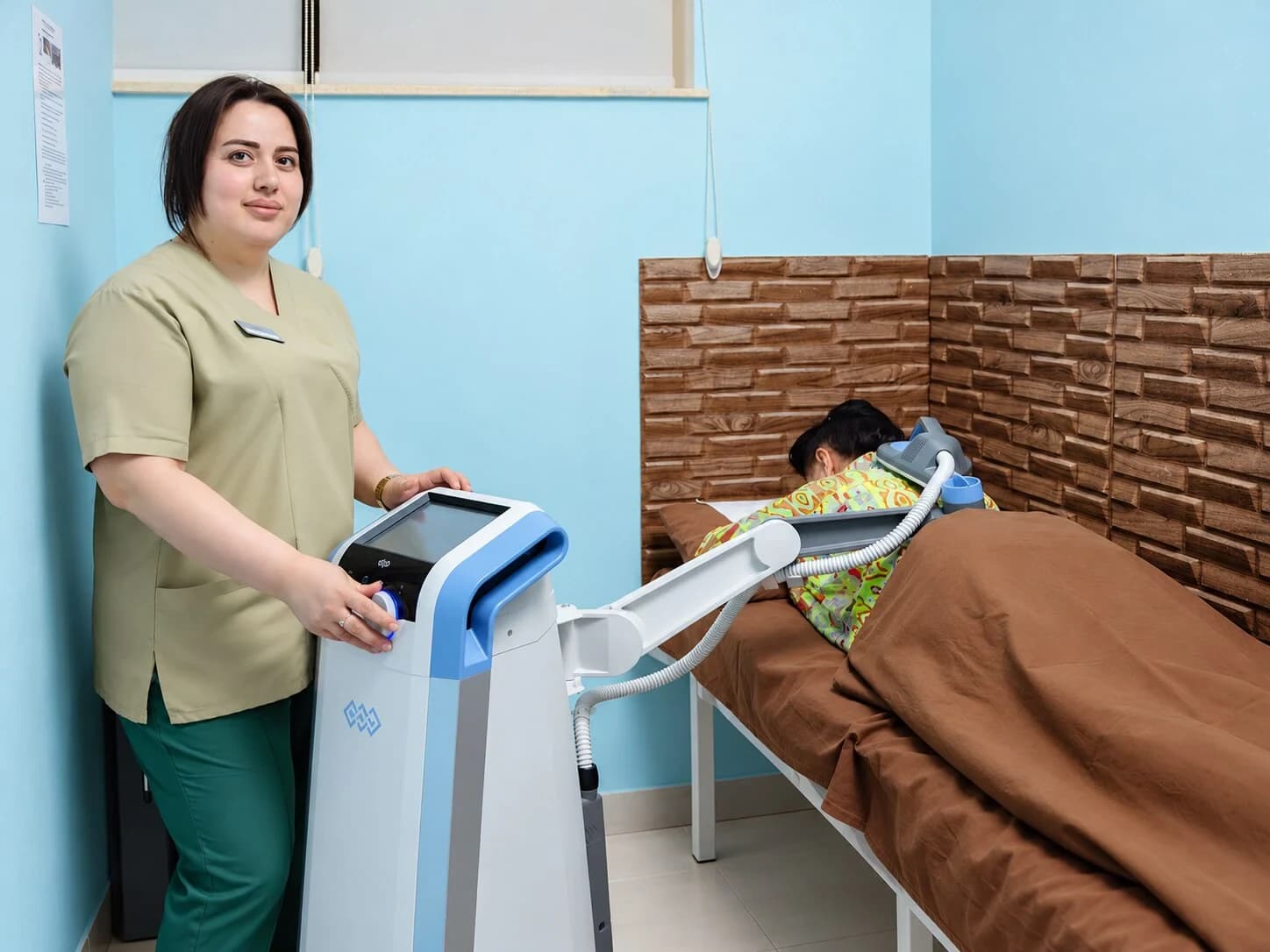
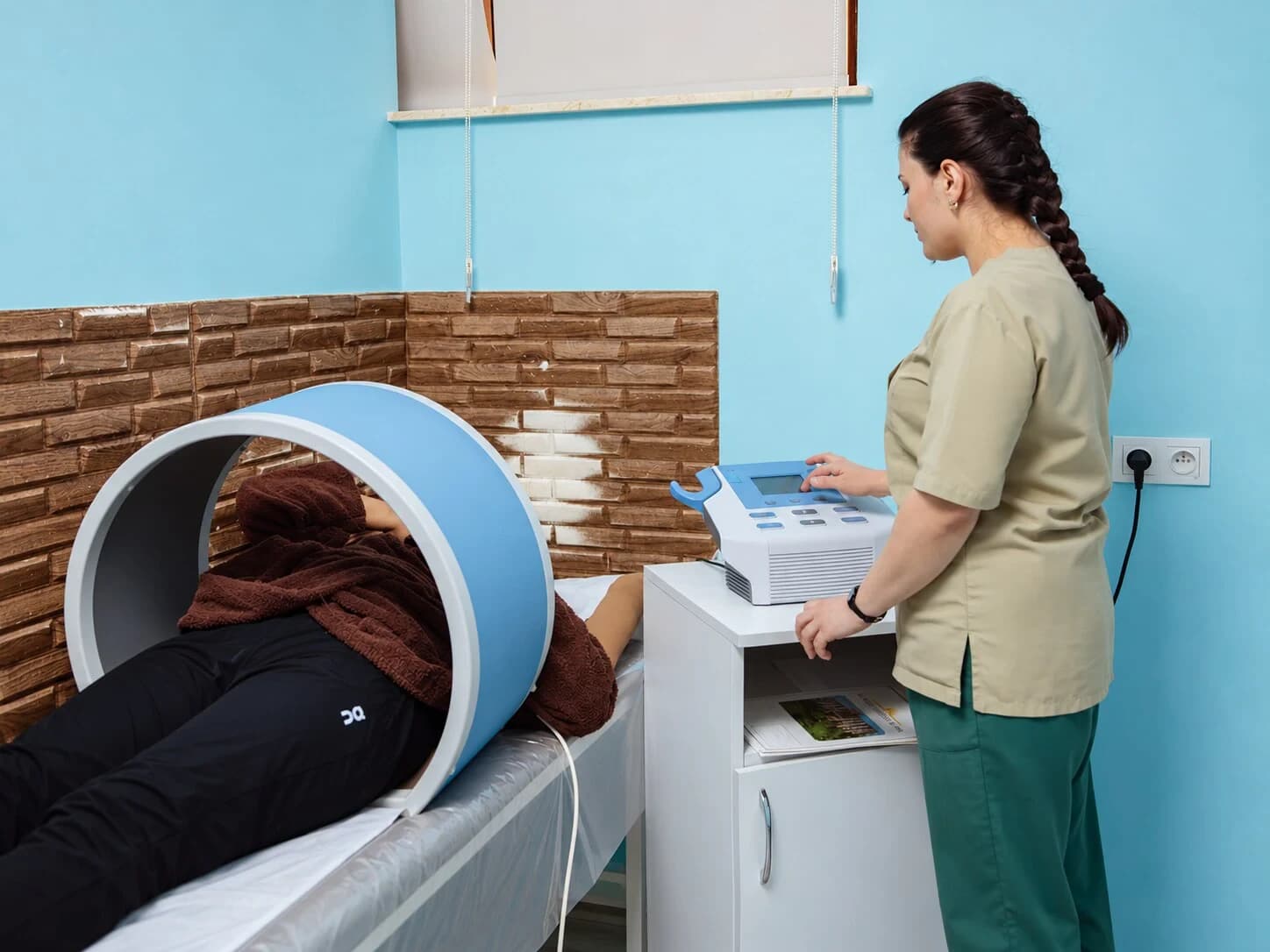
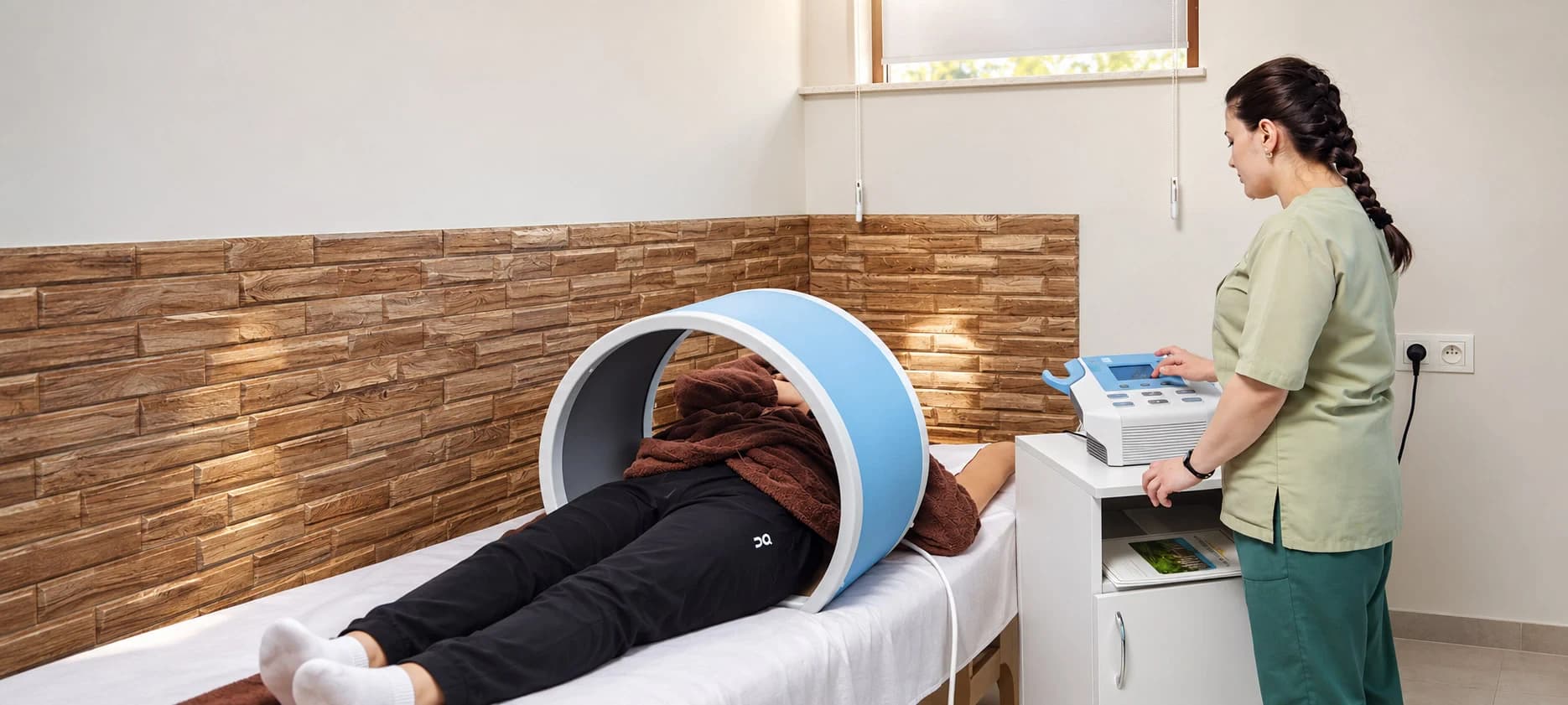
SIS therapy is a modern physiotherapy method worked through a super-inductive magnetic field. The high-intensity electromagnetic field reaches deep into tissue, which is why the method is widely used for pain syndromes and for restoring movement. The procedure is non-invasive: no needles, no incision, no recovery period.
How a SIS therapy session runs
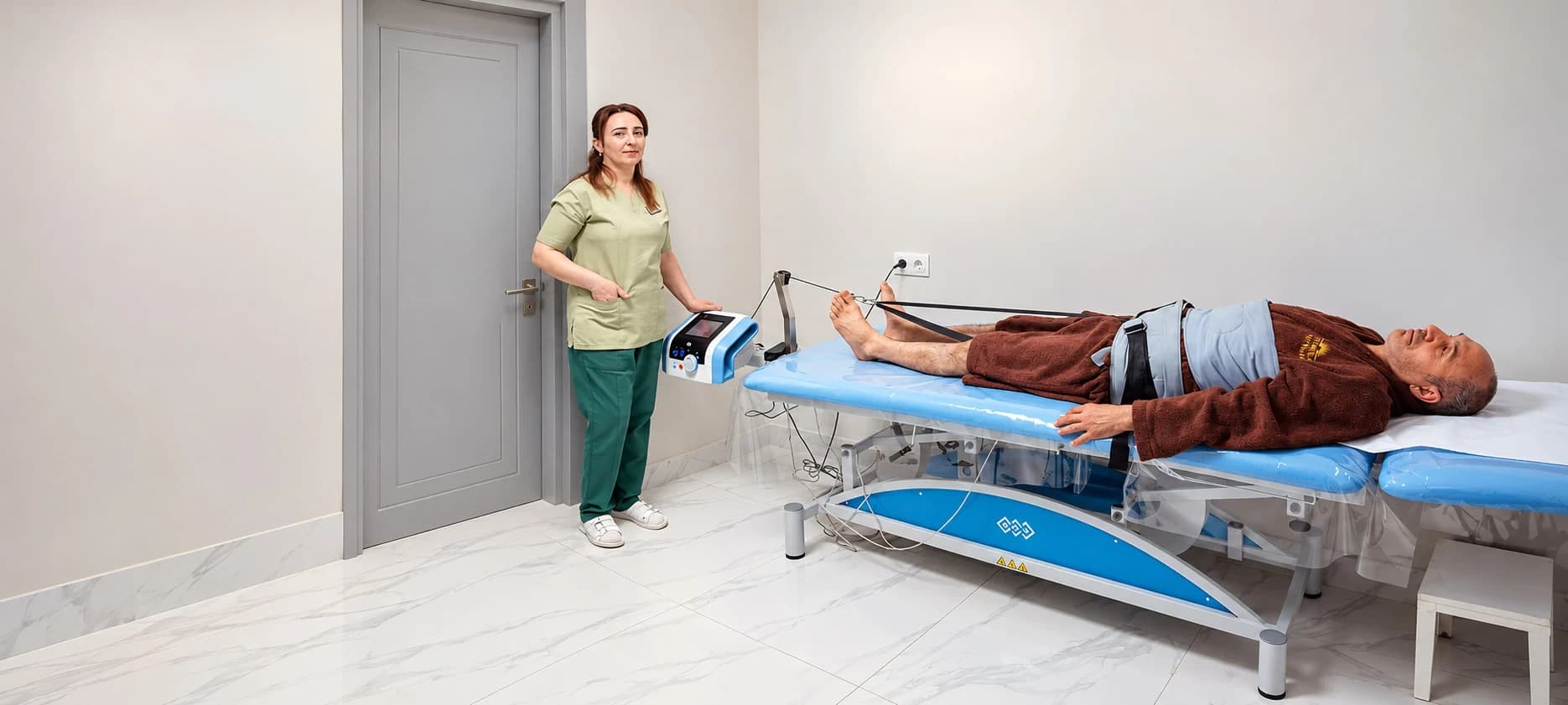
The guest sits or lies comfortably and the head of the device is brought over the area being treated. There is no need to undress, as the magnetic field passes through fabric. During the session you feel the muscles contracting rhythmically — that is the procedure working normally. The intensity of the field is raised in steps, following the physician's prescription and the guest's tolerance.
What SIS therapy helps with
The magnetic field stimulates nerve and muscle fibres while increasing circulation in the tissue. Together these two effects are what produce results in spinal and joint complaints:
The main effects of the magnetic field
- Reduction of the pain syndrome
- Release of muscle spasm
- A greater range of movement in the joints
- Support for peripheral nerve recovery
- Faster rehabilitation after injury or surgery
- Support for healing in tendon and muscle injuries
Who it is not prescribed for: contraindications
SIS therapy is not used with a pacemaker, metal implants, in pregnancy and in a number of other situations — all of which are clarified at the examination on arrival. The procedure is not part of naftalan treatment as such, but it works well in the same course: the bath softens the tissue while SIS therapy works separately on pain and restricted movement.
SIS therapy in Naftalan — Sun City Hotel & Spa
The unit is installed in the treatment wing — inside the hotel's own building. The session is short and calls for no rest afterwards, so it can be placed after the morning bath or in the afternoon physiotherapy block.
When SIS therapy (super-inductive magnetic field) is prescribed
- Osteochondrosis and spinal conditions
- Arthritis, arthrosis and other joint problems
- Muscle spasm and pain syndromes
- Neuralgia and peripheral nerve conditions
- Rehabilitation after injury or surgery
- Muscle and tendon injuries
Questions and answers