NaftalanPhysiotherapyShockwave therapy
Shockwave therapy
Acoustic waves carry energy into a painful point; widely used in orthopaedics and rehabilitation.
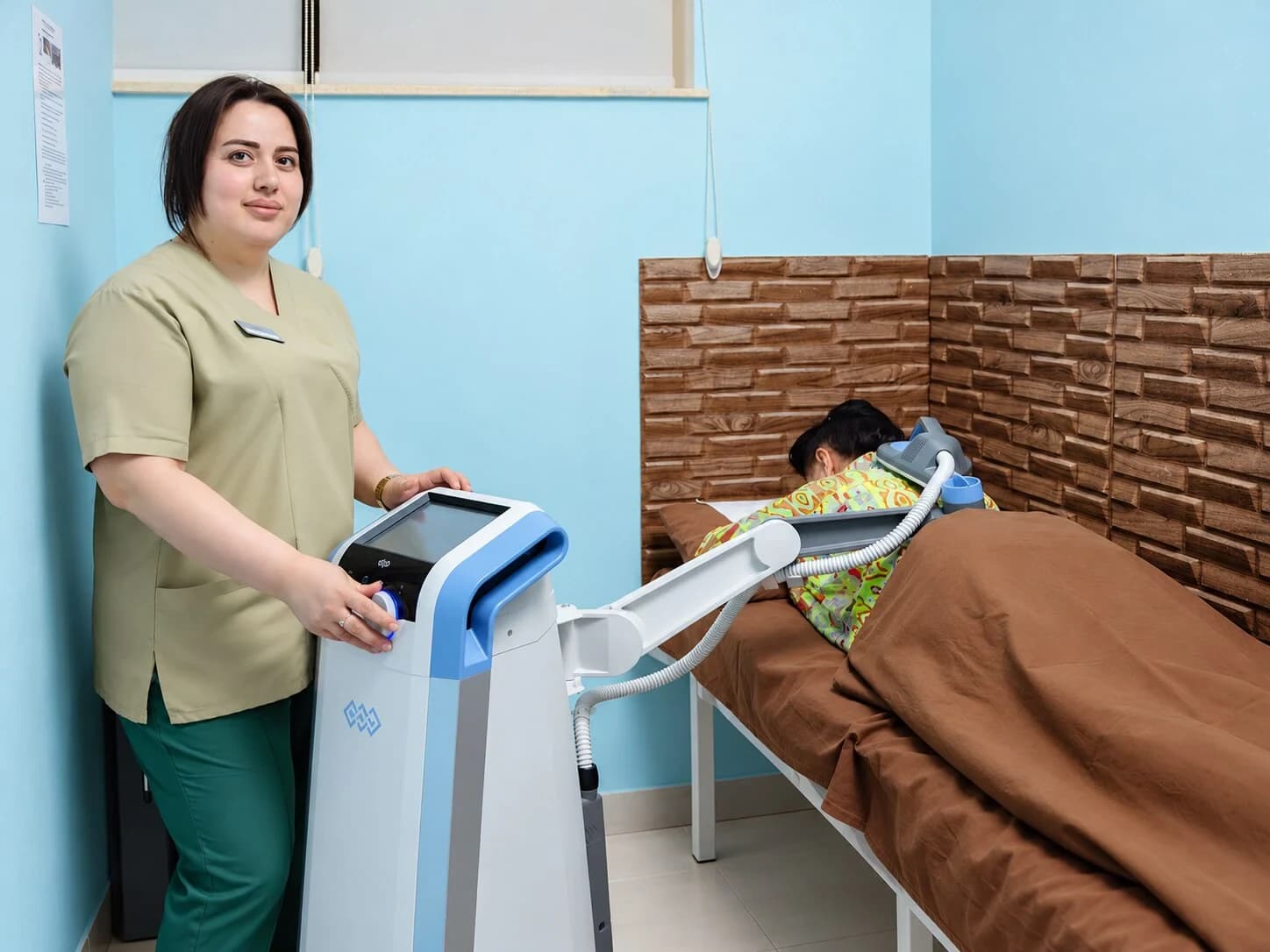
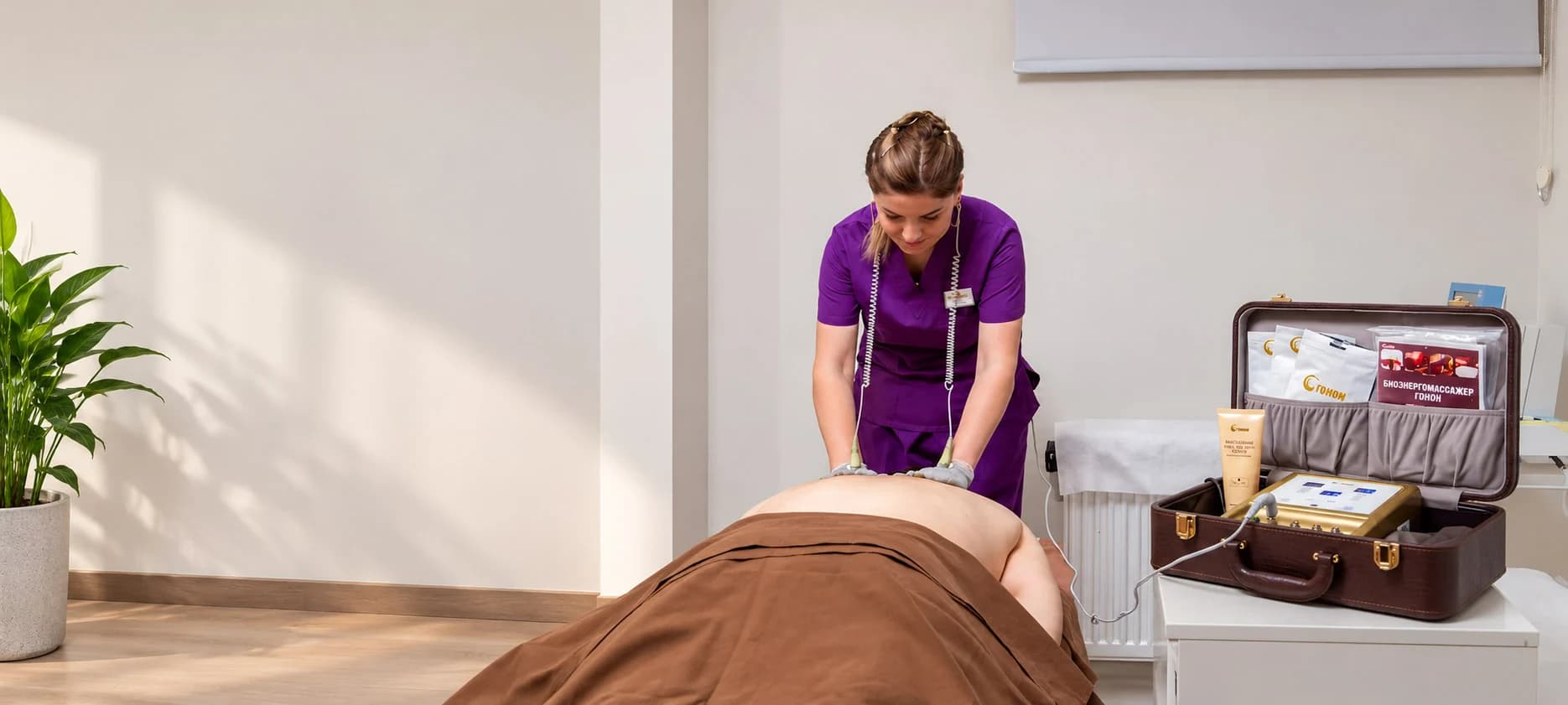
Shockwave therapy works through acoustic waves that carry energy into a painful point. The waves stimulate cells and prompt the release of growth factors, so the tissue's own repair mechanism is set going. The method is used mainly in orthopaedics and rehabilitation, for guests who arrive with long-standing pain.
How shockwave therapy is carried out
The physician first locates the painful point precisely, gel is applied to the area, and the head of the device is placed on that point. During the session you feel short, rhythmic pulses; their strength is set to the guest's tolerance. The number of sessions and the interval between them depend on how long the complaint has lasted — chronic cases take several.
Which pains shockwave therapy works on
Shockwaves stimulate reparative processes in tendon and bone. That is why the procedure has a place of its own where pain has not passed on its own:
What the acoustic waves do
- Less chronic pain
- Stimulation of repair in tendon and bone
- Support for clearing calcifications
- Relaxation of overloaded muscle
- Easier movement in the musculoskeletal system
- Better circulation in the area
Contraindications and prescription
The procedure is prescribed after the examination on arrival. Bleeding disorders, acute infection in the area, pregnancy and certain other situations may mean a session is postponed. Shockwave therapy is not a naftalan treatment, but it is often used in the same course: the bath lowers the general level of pain while the shockwave works on one specific point.
Shockwave therapy in Naftalan — Sun City Hotel & Spa
The unit is in the treatment wing, inside the hotel's own building. The session is short, so it fits into the same day's schedule as the bath and the massage — no separate day needs to be set aside.
When Shockwave therapy is prescribed
- Gout
- Osteochondrosis, osteoarthrosis
- Muscle tonic syndrome
- Achillodynia (Achilles tendon pain)
- Shoulder periarthropathy
Questions and answers