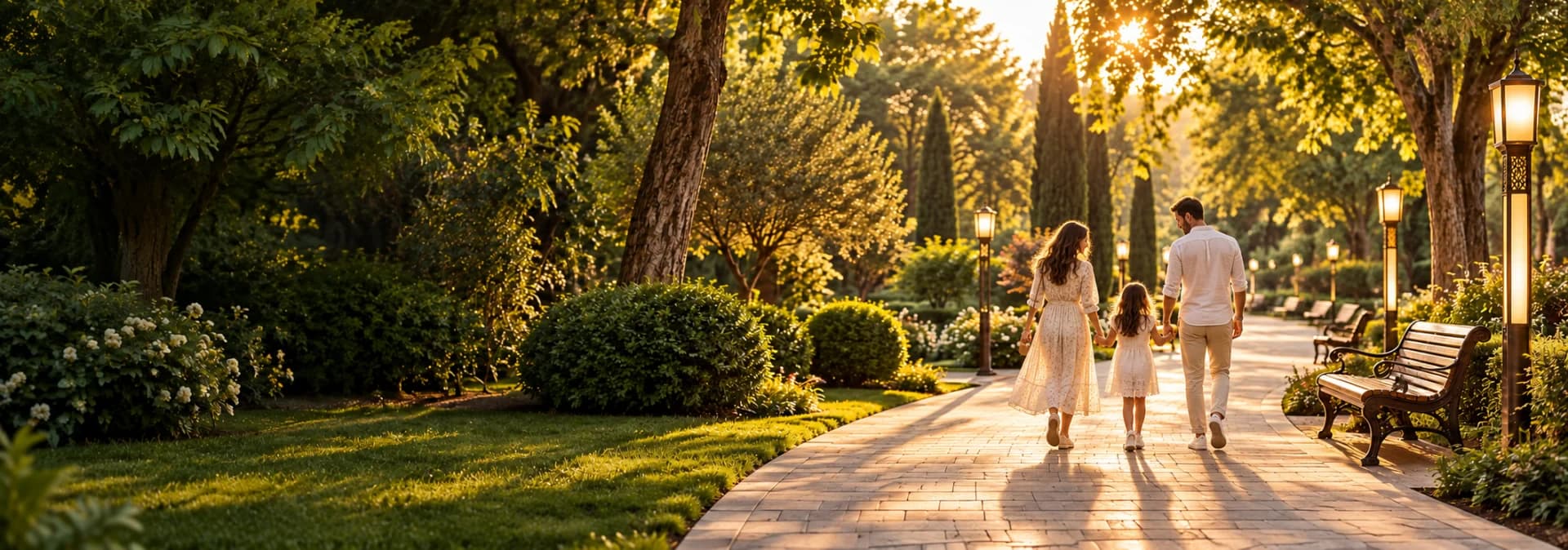
NaftalanAround Us
Naftalan and around us
Where Naftalan is
Naftalan is a small spa town in western Azerbaijan, at the foot of the Lesser Caucasus. It lies about 63 km from Ganja International Airport and 320 km from Baku — under an hour by car from Ganja, close to four hours from Baku. The town sits on the only place in the world where naftalan crude oil is extracted at industrial scale, and it takes its name from that oil.
What to see in Naftalan
The town is small and the centre is walkable — easy for an hour or two between procedures.
- The Naftalan History and Local Lore Museum — the story of the oil in medicine, the old equipment, and the collection of crutches left behind by guests from many countries.
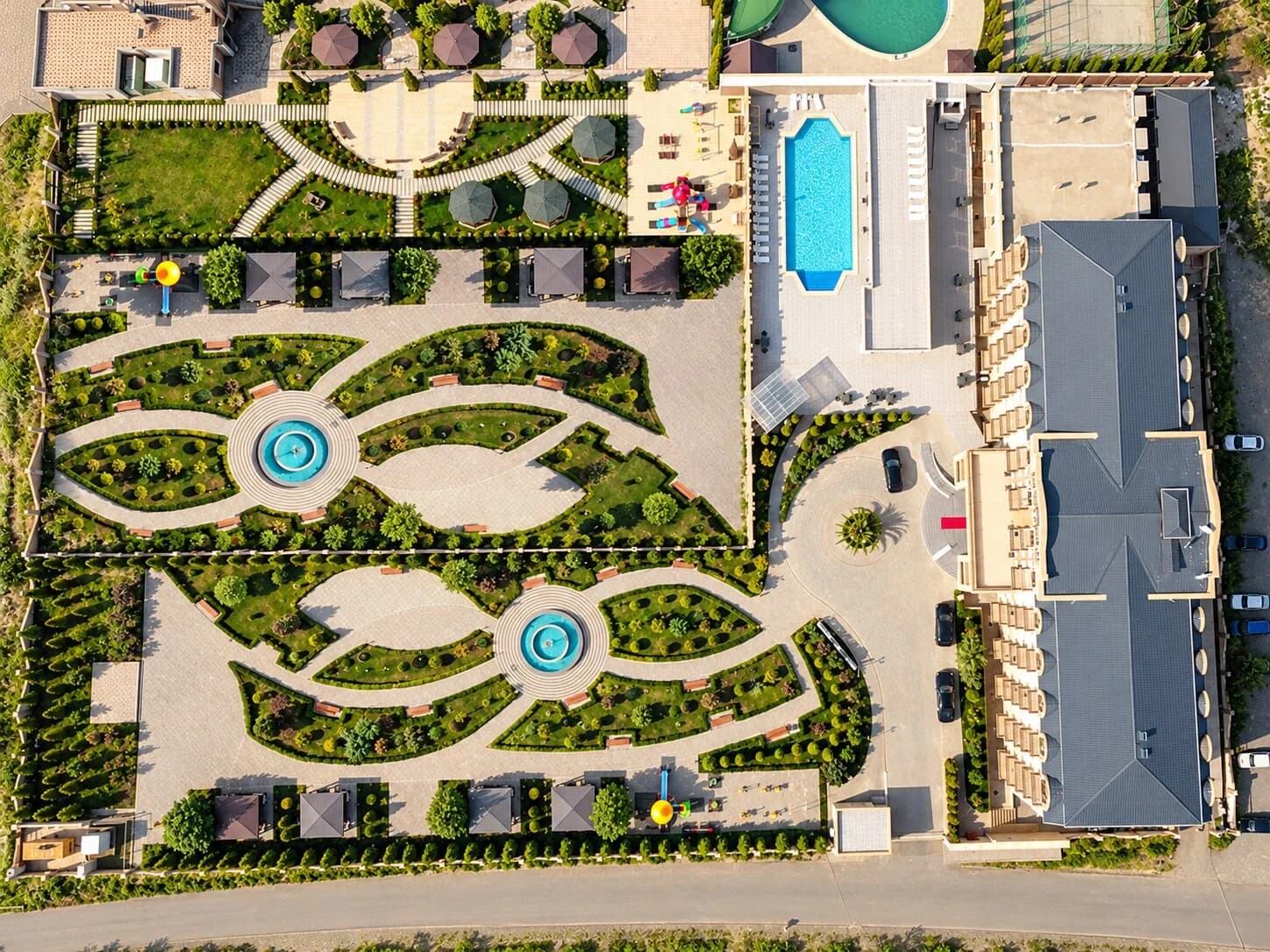
- The town parks and the pine wood — the green belt around the hotel, and the quietest place for a morning walk.
- The central square and the boulevard — where the town comes alive in the evening, with cafés and tea houses.
Day trips from Naftalan
Rest days are the time to see the region; the excursion desk at reception arranges both group and private trips.
- Ganja (about 50 km) — Azerbaijan's second city: Nizami's mausoleum, the Shah Abbas mosque, the Bottle House, and the gateway to the lakes.
- Goygol (about 40 km from Ganja) — a mountain lake and national park, at its best in spring and autumn.
- Mingachevir (about 40 km) — the reservoir on the Kura, a waterfront promenade and water sports.
- Sheki — a longer run that takes a full day: the Khan's Palace and the caravanserai.
When to come to Naftalan
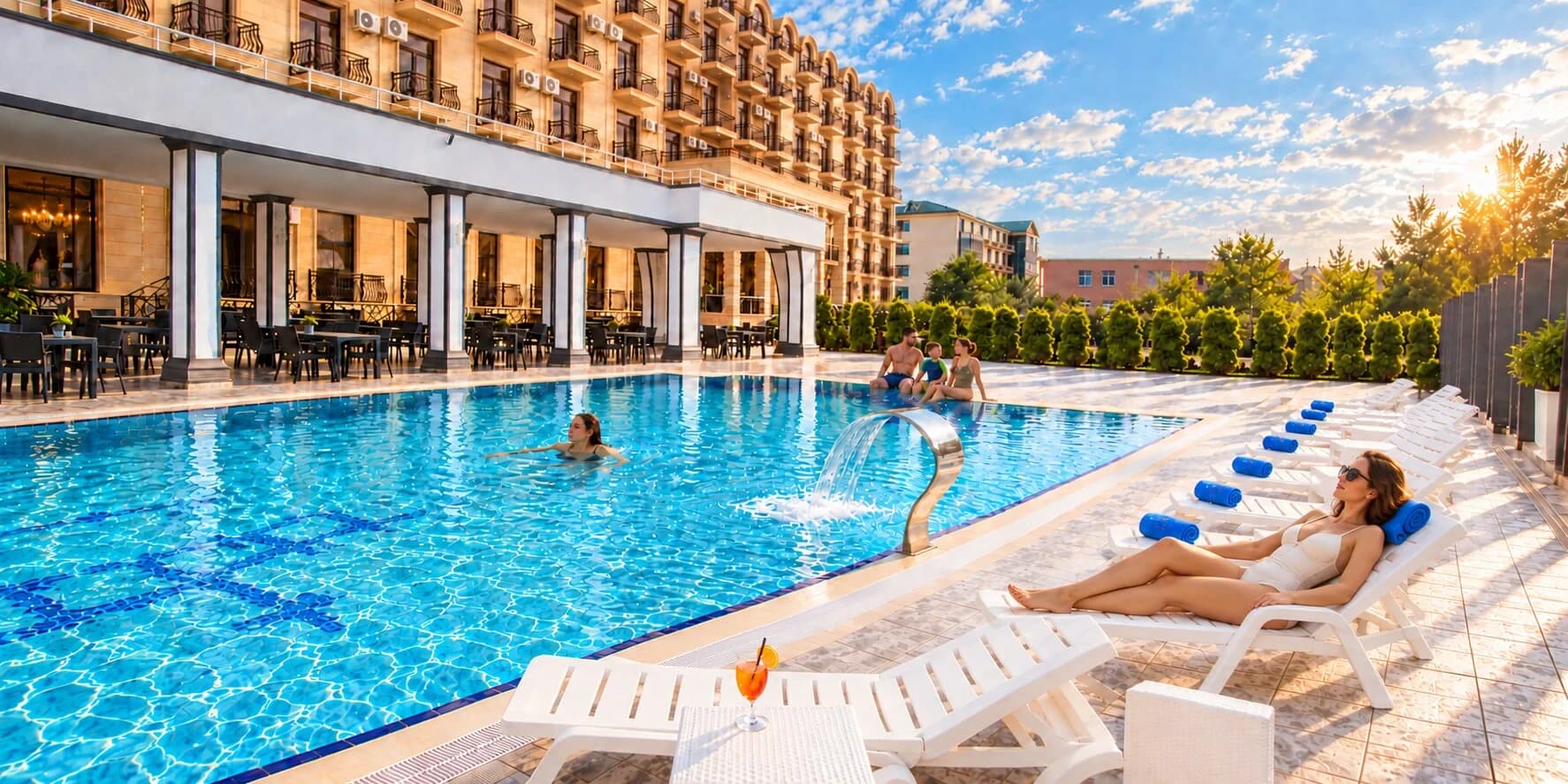
Treatment runs all year, since the procedures are indoors in the medical block. The weather is what changes: April to June and September to October are the easiest months, warm by day and cool in the evening, ideal for walking and day trips. July and August are dry and hot, which is when the outdoor pool and the garden terrace are busiest. Winter is mild and the resort is at its quietest — if the stay is about the treatment, winter is a good choice too.
The history of the town, what the medicinal oil actually is, where it sits on the map, the airports and every excursion — on a page of its own: the full guide to the town of Naftalan.
The town's history, its place on the map and the airports: Naftalan city. The routes in: getting to Naftalan. Season and temperature: the weather in Naftalan.
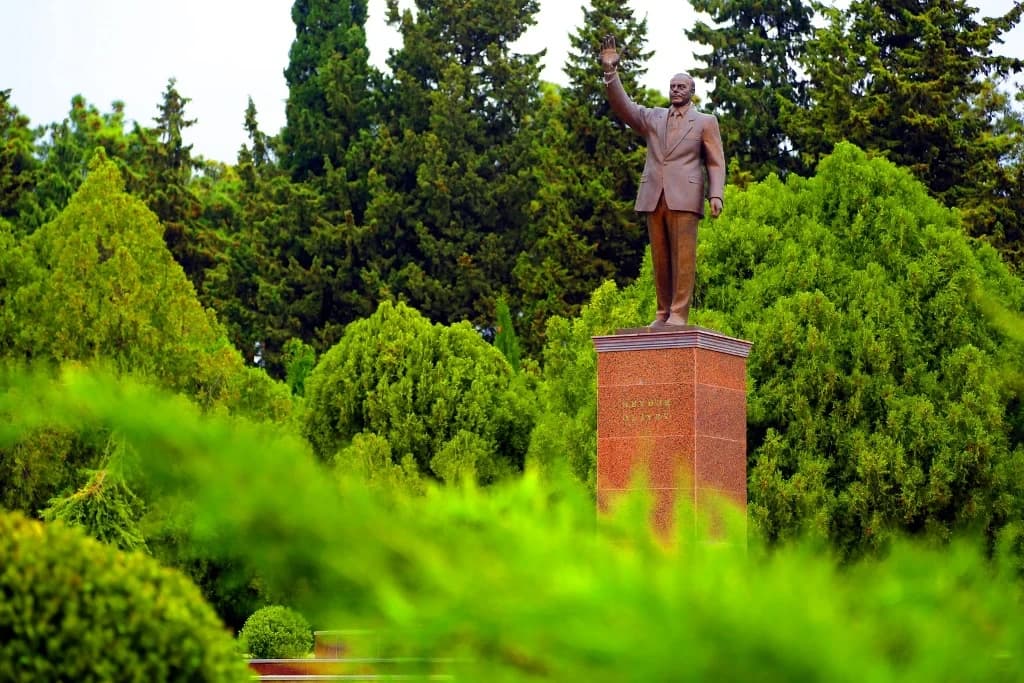
Heydar Aliyev Park — Naftalan
Eight hundred metres from the hotel gate — the easiest walk to take after a procedure. The park has shaded avenues, fountains and benches along the way; on summer evenings the air shifts and cools here, and the town comes out to walk with you. The route is flat and stepless, which makes it manageable for guests with limited mobility. A quiet twenty to thirty minutes after a bath or a physiotherapy session is often recommended — check the timing with your physician. There are small cafés and a playground inside the park. In the early morning the park is almost empty — the quietest hour for a book or a coffee. Reception can point you to the route at any time.
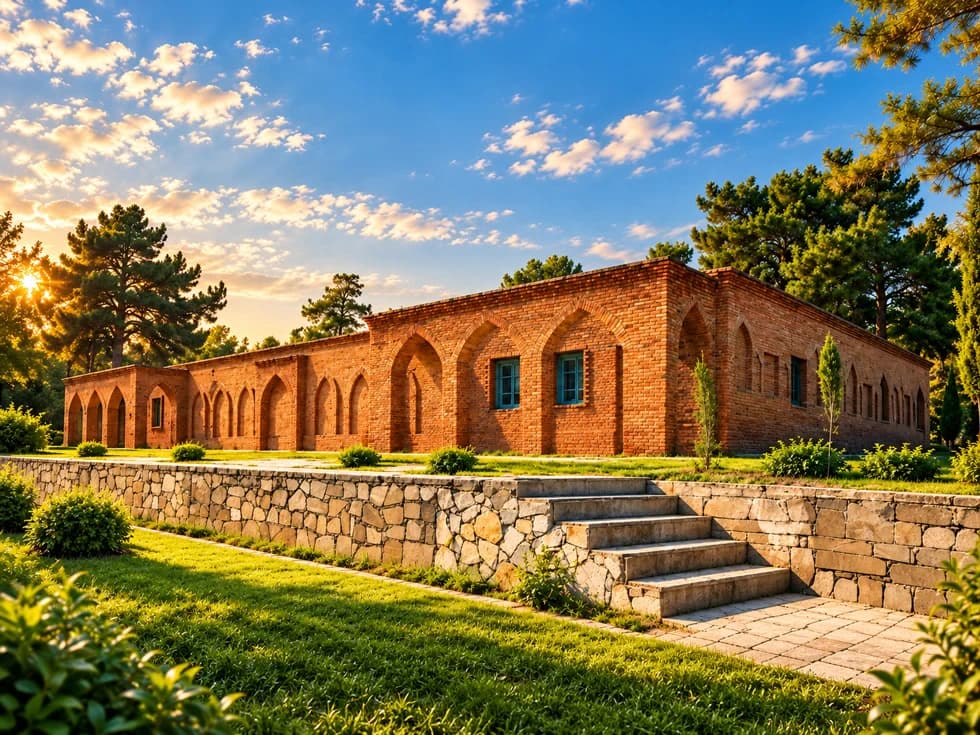
Naftalan History Museum
The story of the only medicinal-oil town on earth, gathered into one building: from the wooden bathhouses of the nineteenth century to today's resorts. The collection holds the first bathing equipment, archive photographs, reports written by visiting foreign physicians, and letters from people who came for treatment. You can follow how naftalan was found, why the oil was at first used only by local people, and how the town then became a resort taking guests from across the Soviet Union. It is 1.2 km from the hotel, five minutes by car. A visit takes under an hour, so it fits comfortably into a gap between procedures. Tell reception and a car and a guide can be arranged — go after the morning procedure and be back for lunch.
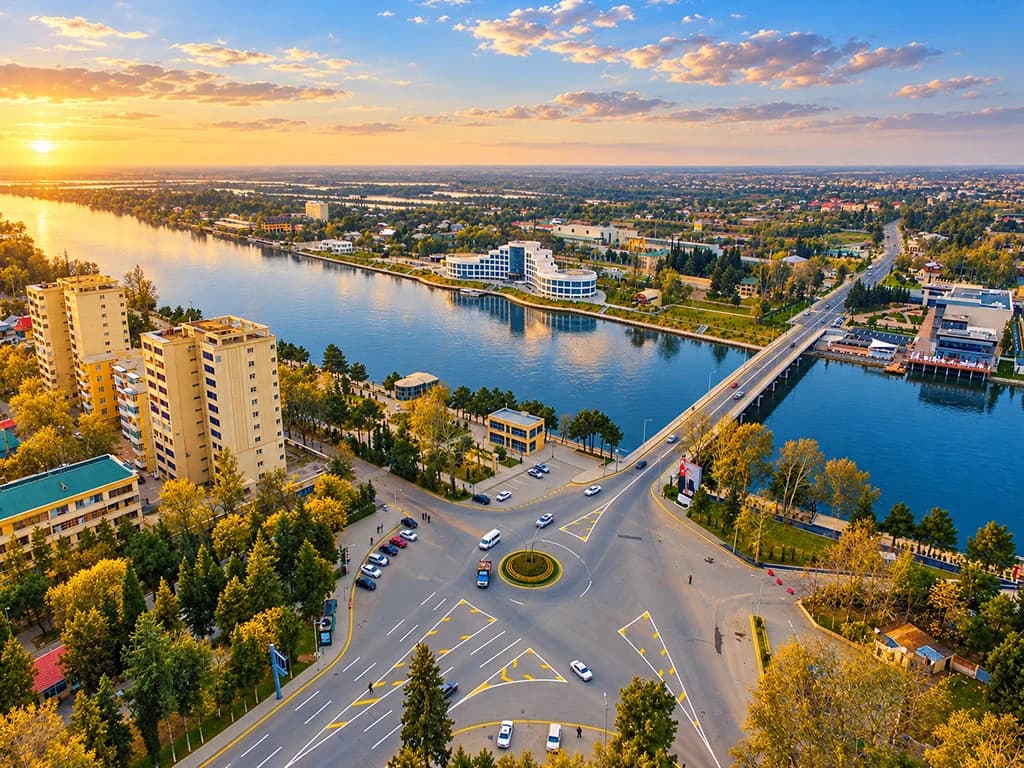
The city of Mingachevir
A city spread along both banks of the Kura, about 40 km from the hotel and some forty minutes by car. It is the country's fourth largest by population and was laid out in 1948 alongside the building of the hydroelectric station, which is why the centre runs to wide avenues and planned blocks. The ground beneath it is far older: excavations during the dam works uncovered settlements and graves from the Caucasian Albania period, and the finds are kept in the city history museum. An Albanian church complex of the fourth to seventh centuries stands on the foundations of an earlier temple. The easiest walk is the boulevard along the Kura, with rowing clubs strung out along the water. The trip fits into a day — settle a suitable one with your physician.
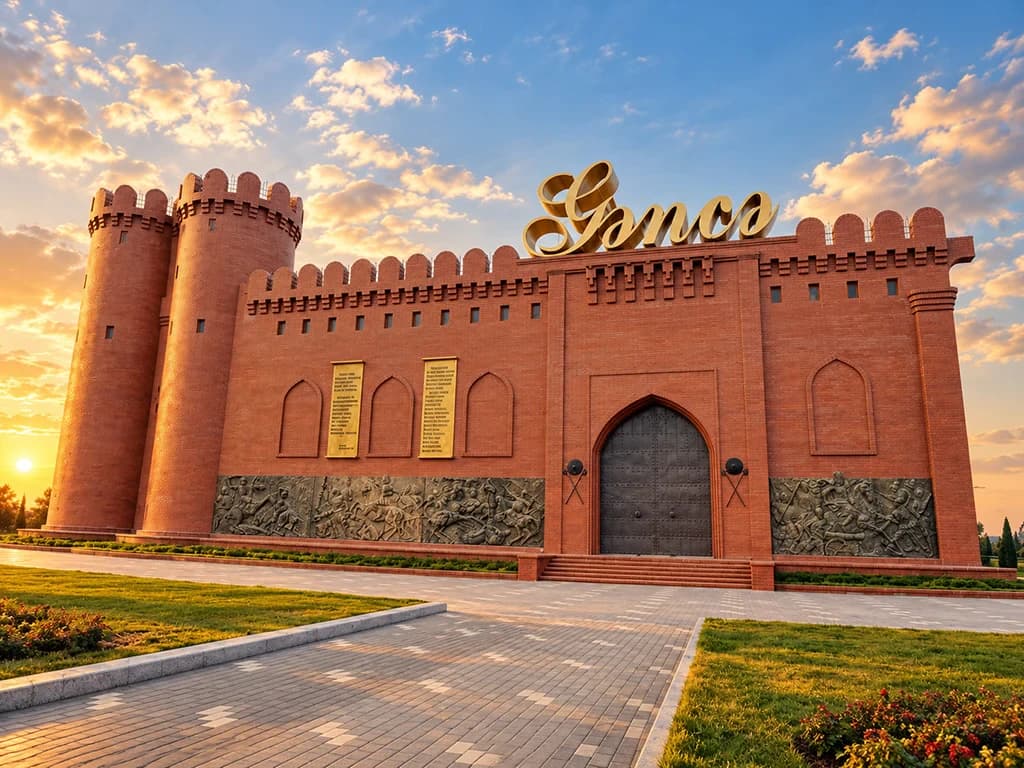
Ganja Old Town
Azerbaijan's second city and one of its oldest centres — 50 km from the hotel, forty-five minutes by car. The old quarter holds the Shah Abbas mosque and the caravanserai beside it, the red-brick Juma mosque, the mausoleum of Nizami Ganjavi, and the famous Bottle House built from glass bottles. The city sat on the Silk Road for centuries, and the market and craft workshops in the centre still carry traces of it. It works well as a day trip: leave in the morning and be back at the hotel for dinner. Our guest services desk can arrange a transfer and a guide. Most of the road is straight motorway, so the trip is not tiring; leaving in the morning keeps you clear of the afternoon heat.
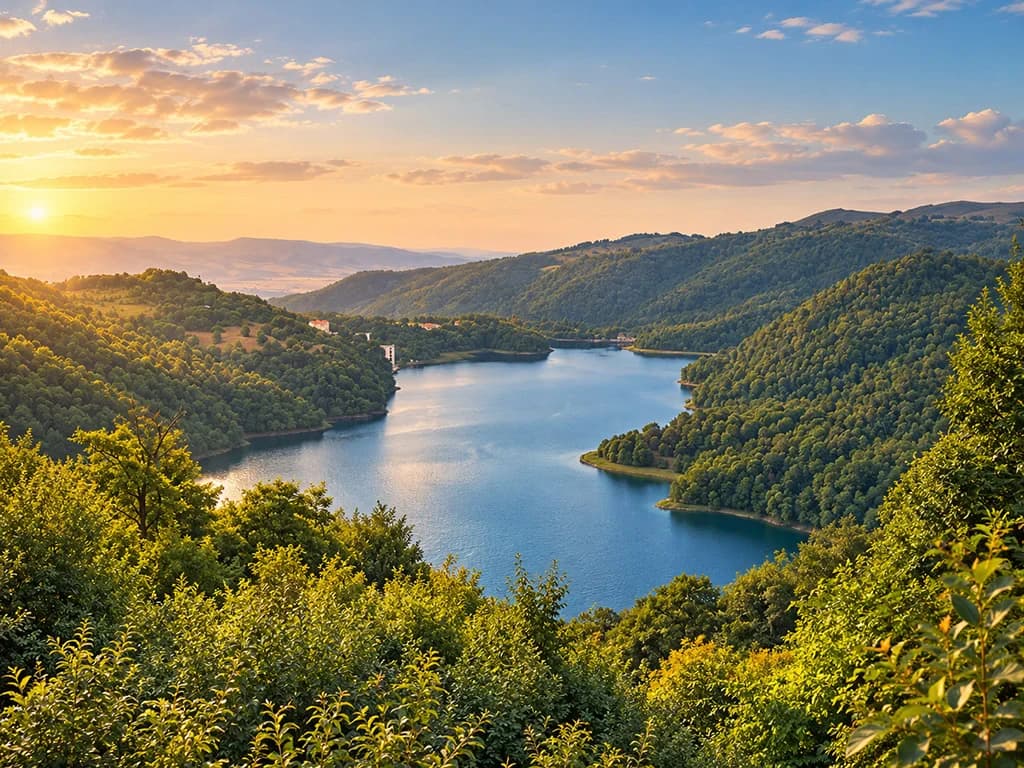
Lake Goygol
A deep turquoise mountain lake at 1,550 metres in the foothills of the Lesser Caucasus — the most photographed piece of nature in Azerbaijan. The lake formed when a landslide during the great earthquake of 1139 dammed the river. The national park around it is covered in beech and pine forest, and the water stays calm and clear for most of the year. It is 75 km from the hotel, about an hour and a quarter by car. Walking paths and viewing points ring the shore; the air up there is mountain air, so a light jacket is worth taking even in summer. Tell us the day before and the kitchen will pack a basket for the road. If you would like to stop along the way back, it is enough to agree the route with the driver beforehand.
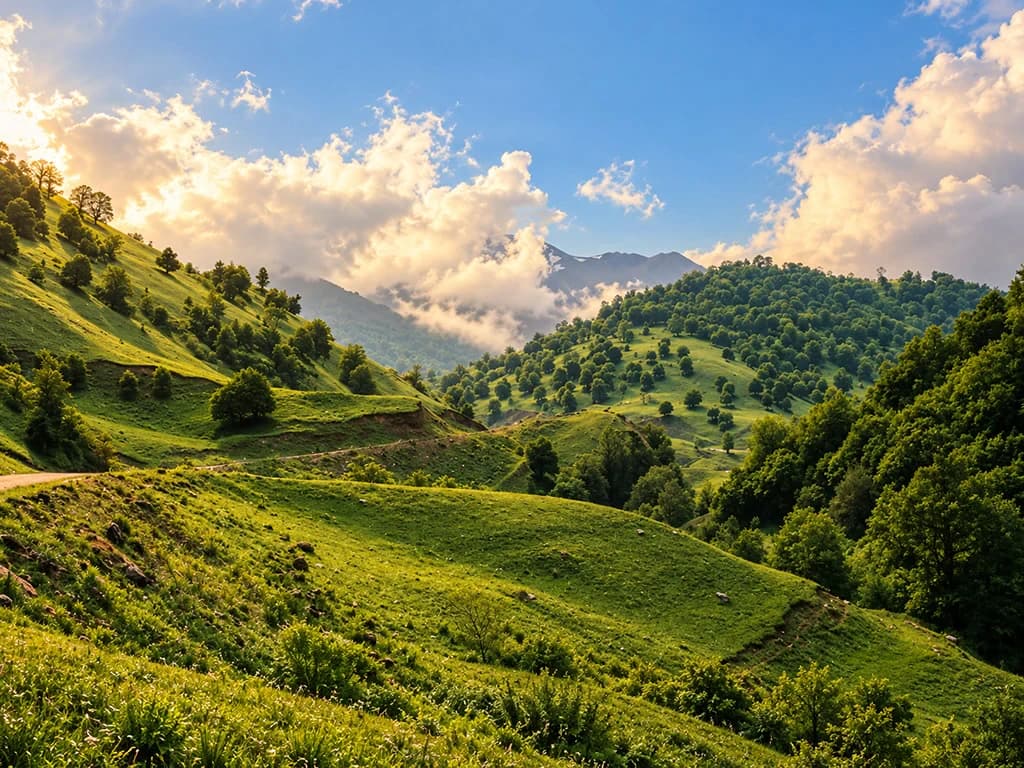
Murovdag Mountains
<p>The Murovdag range is the highest in the Lesser Caucasus — alpine meadows, mountain springs and air that stays cool through the summer. Ninety kilometres from Naftalan; the road is a mountain serpentine, so the trip takes a full day. It is arranged in a group or privately.</p>
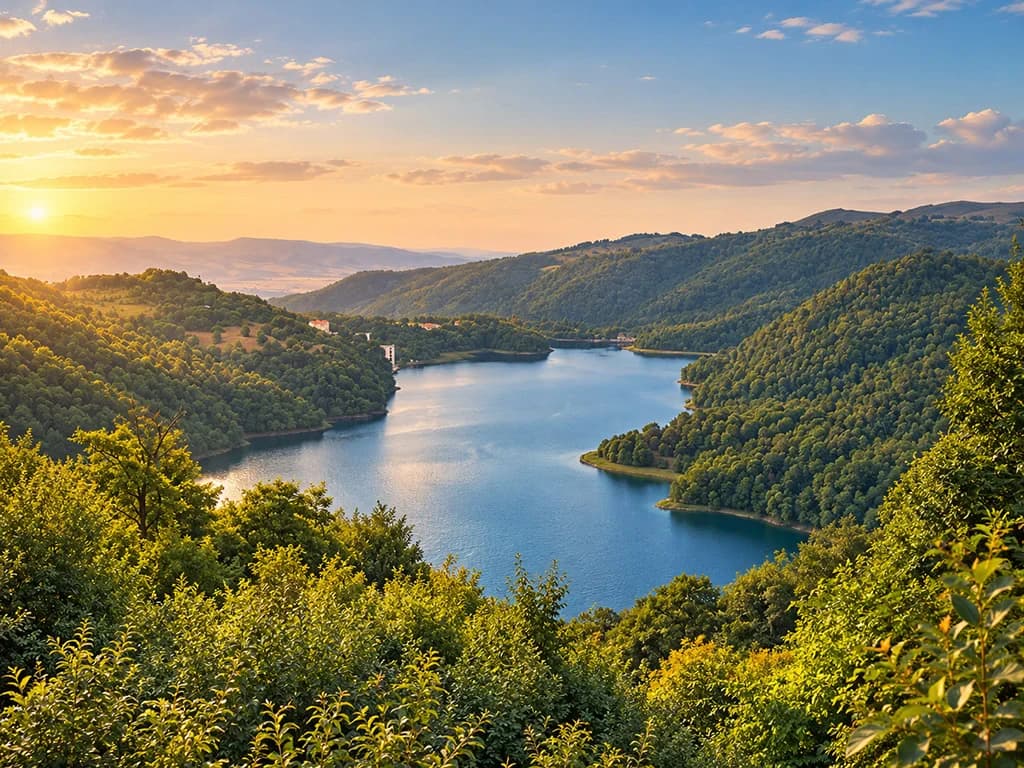
Mount Kapaz
<p>Rising above Lake Goygol, Mount Kapaz is one of the best-known peaks of the Lesser Caucasus, 3,066 metres high. In the great earthquake of 1139 part of the mountain came down and dammed the Aghsu river — which is how Goygol was formed; the lake's story cannot be told without Kapaz. Eighty kilometres from Naftalan, usually planned together with the Goygol route as a day trip. Even in summer the air at its foot stays cool.</p>