NaftalanNaftalan bathsUrological treatment with naftalan
Urological treatment with naftalan
A urological programme built on naftalan applications and rectal procedures.
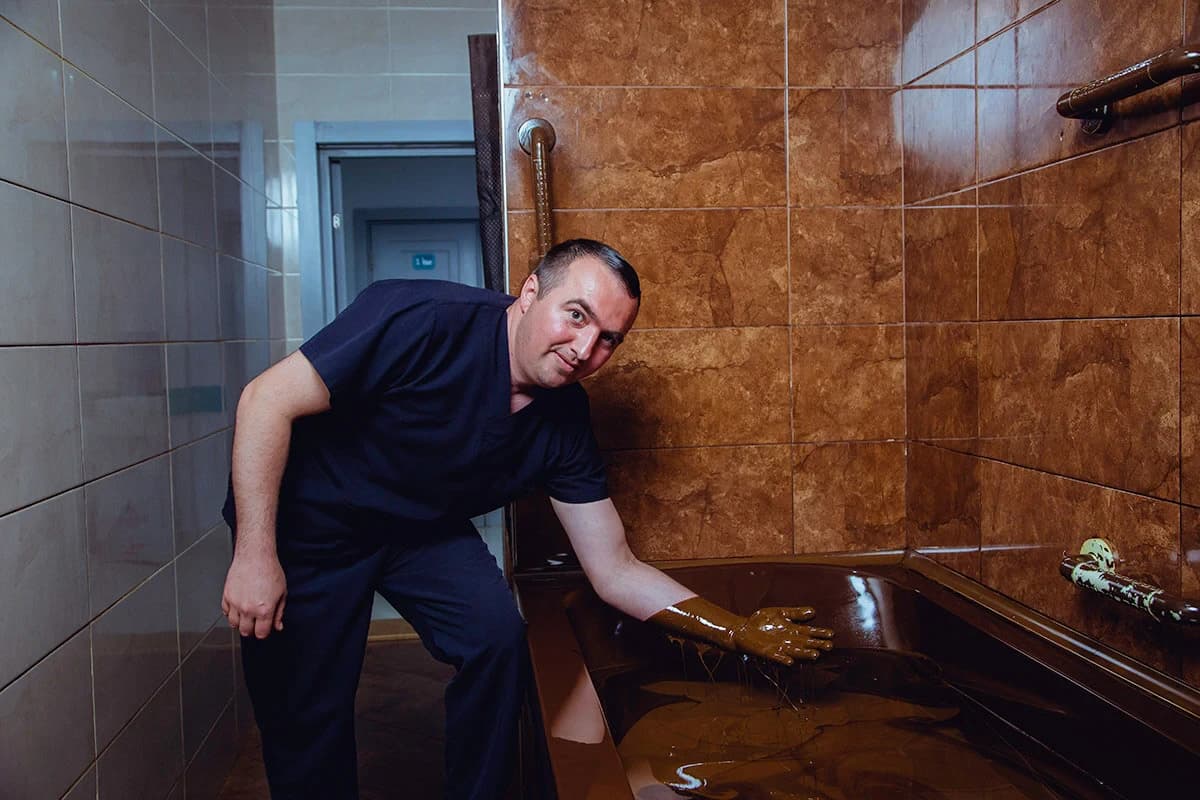
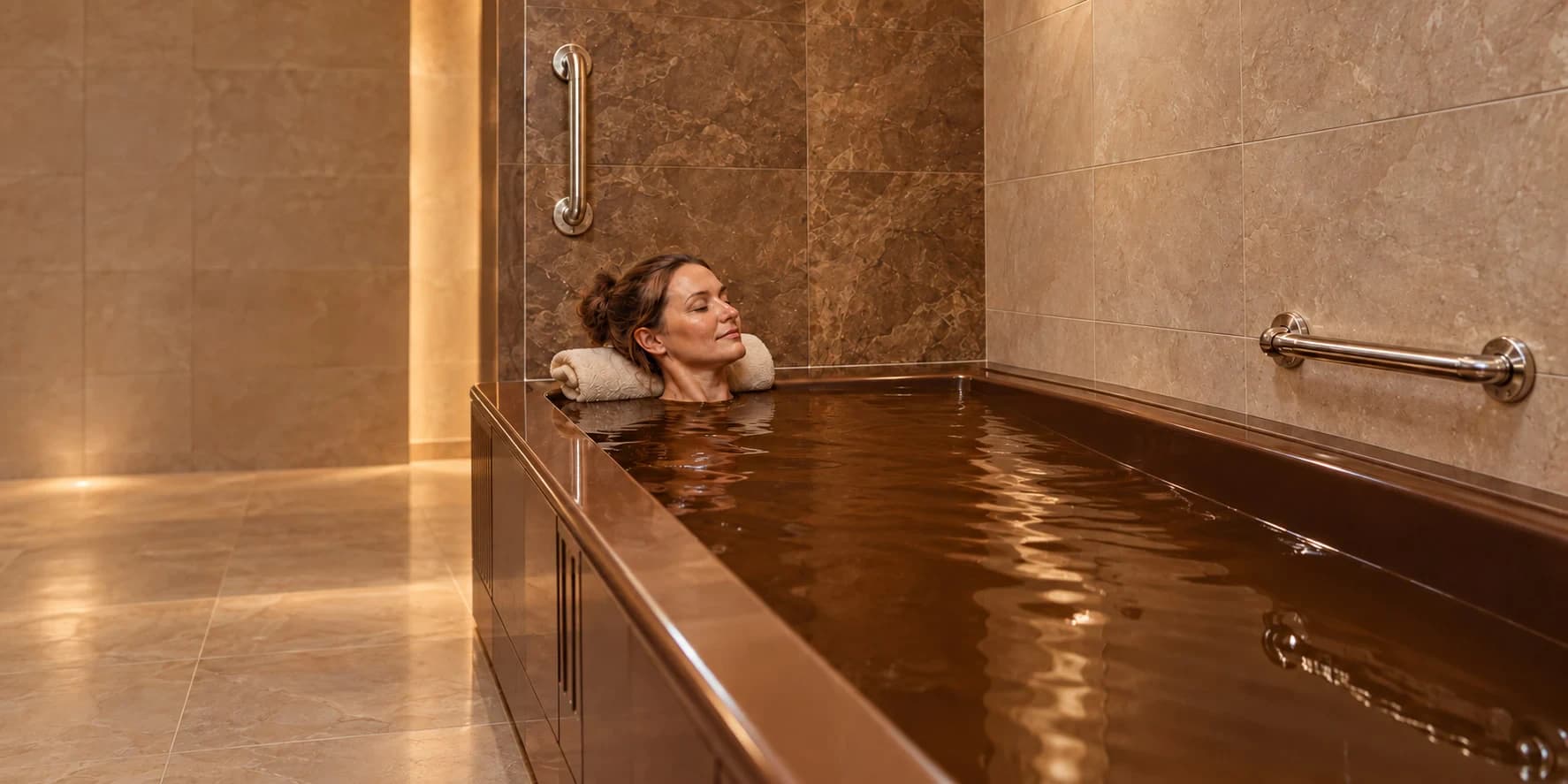
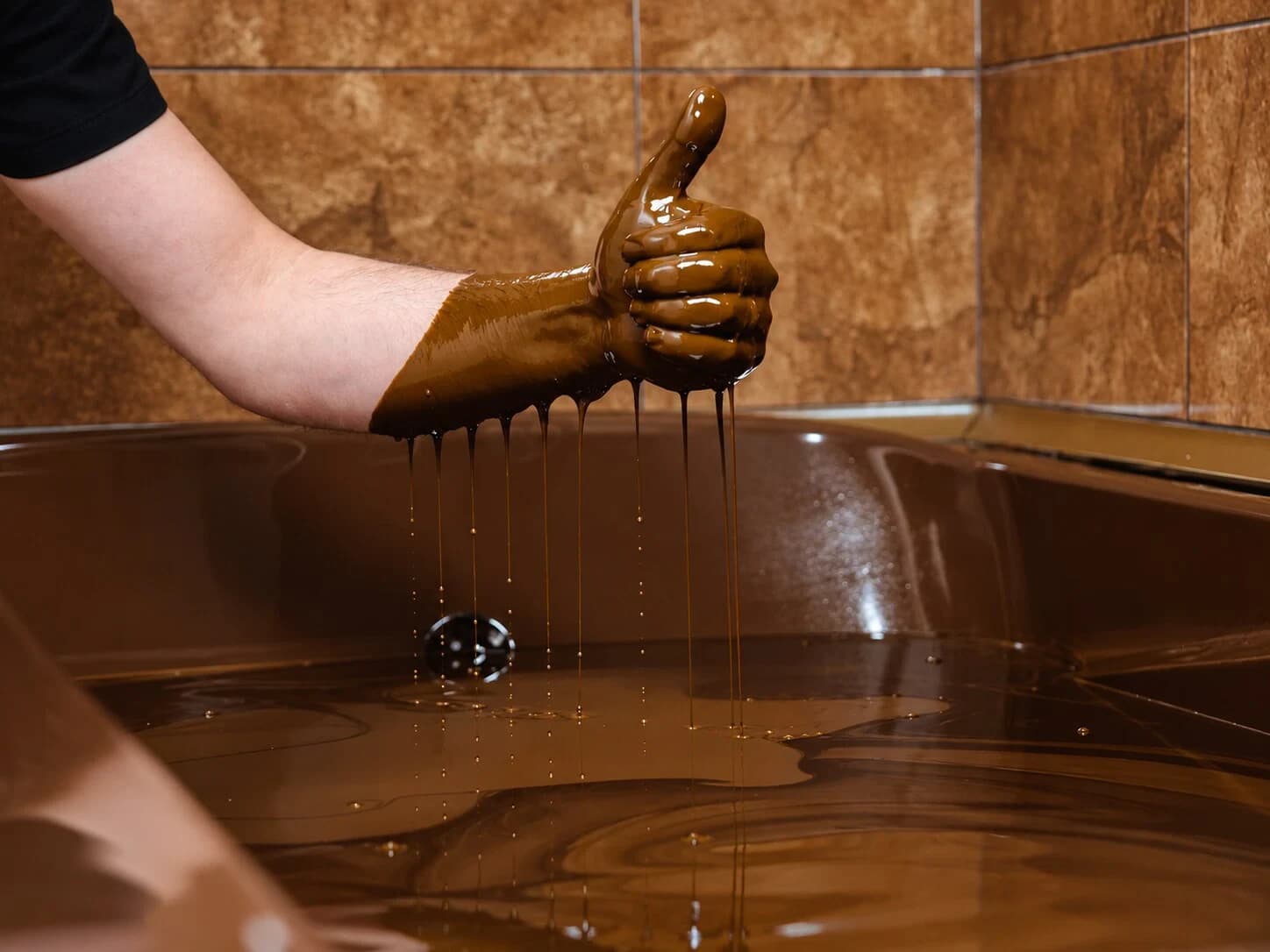
Urological treatment with naftalan is a combined programme for men's health. Naftalan sitz baths, local applications and, where indicated, rectal procedures are brought together in one course so that the anti-inflammatory and pain-relieving action reaches the pelvic area. The oil itself is drawn here, at Naftalan in Azerbaijan, from the only industrial field of its kind in the world.
How urological treatment with naftalan is carried out
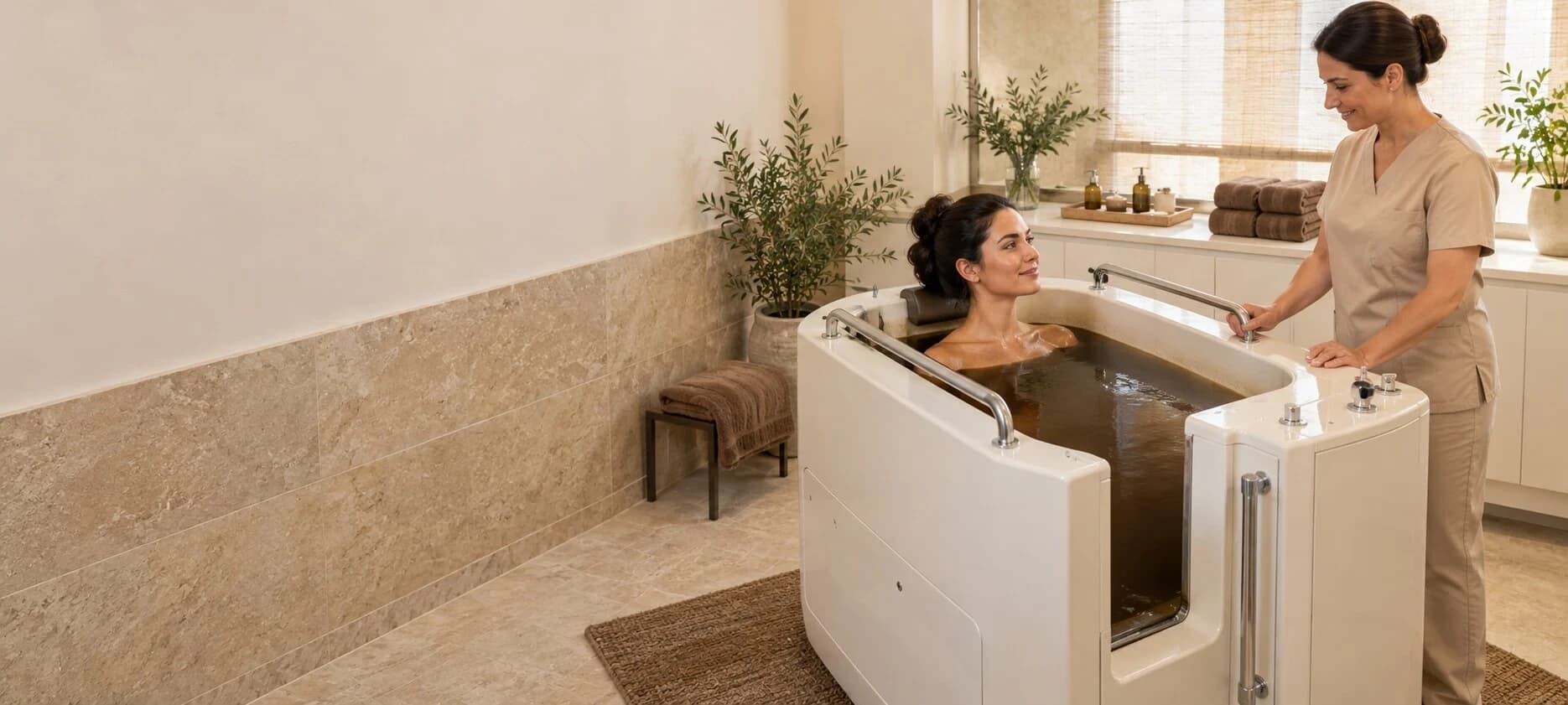
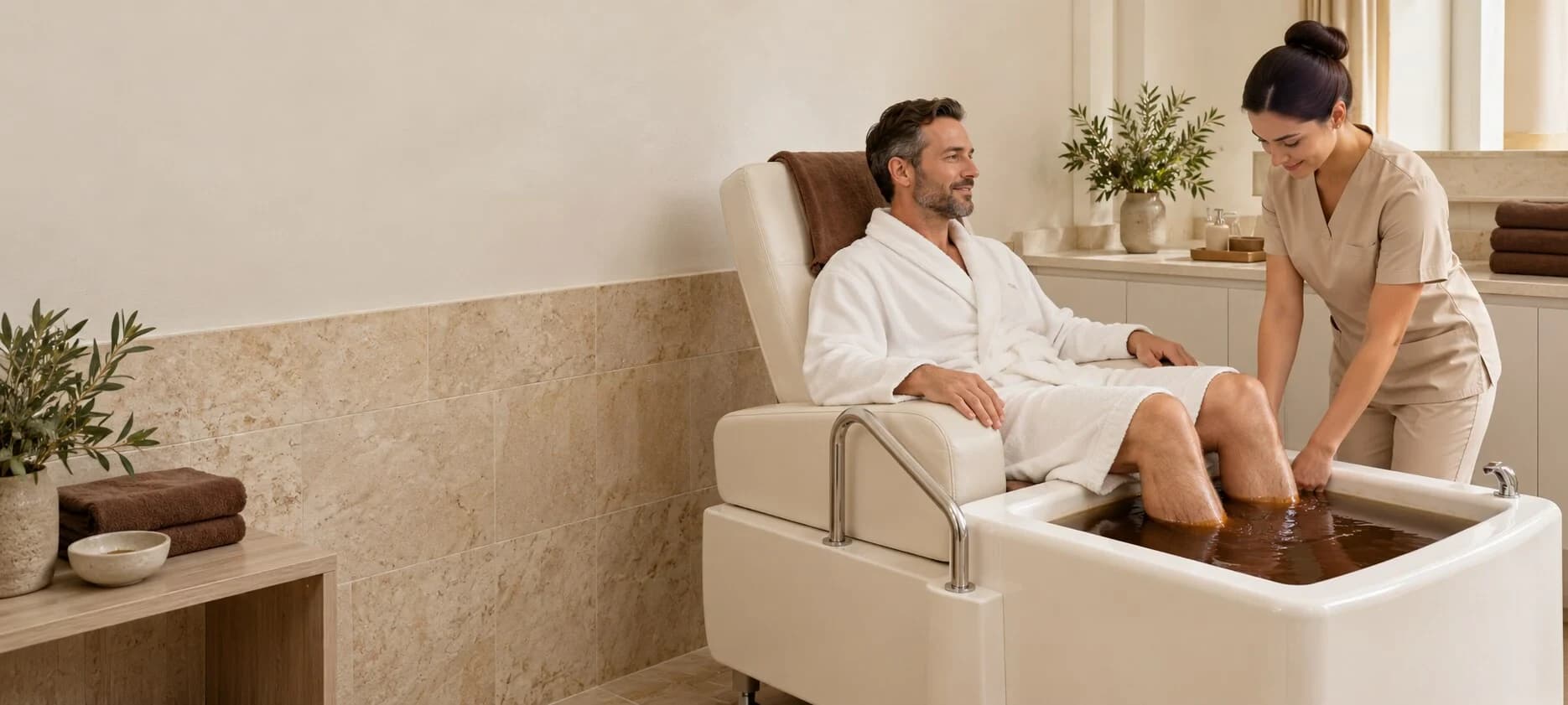
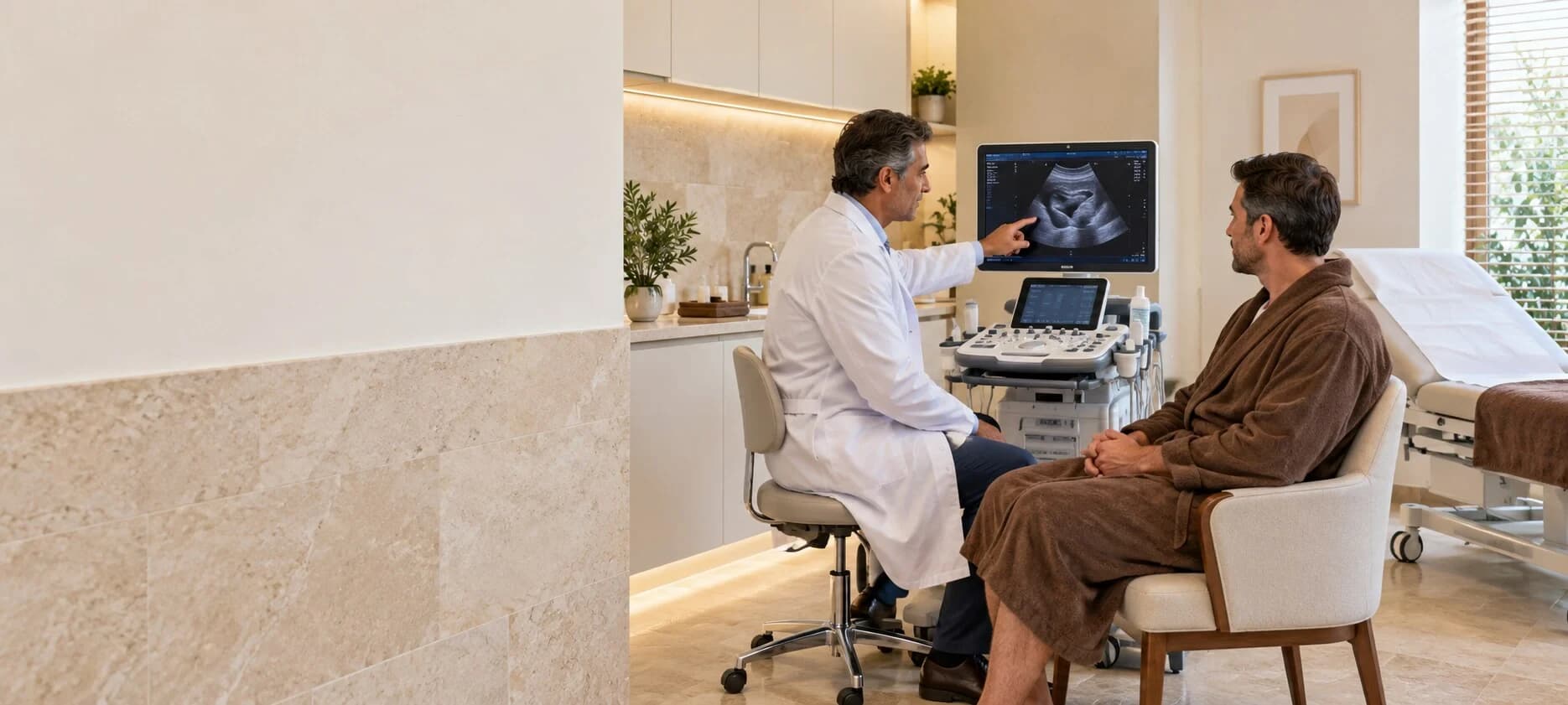
The programme is drawn up after an examination by a urologist and the tests that go with it. Its core is the naftalan sitz bath, to which local applications, physiotherapy sessions and, where needed, rectal procedures are added. The type, number and order of procedures are chosen individually, and the physician follows how the complaints move through the course, changing the schedule to match.
Its effect in chronic prostatitis and urological complaints
The purpose of the programme is to reduce chronic inflammation, improve the blood supply to the pelvic organs and support the repair of tissue:
What the treatment does for men's health
- Relief of the complaints of chronic prostatitis
- Less chronic pain in the pelvic area
- Better circulation in the lesser pelvis
- Less discomfort around urination
- Inflammatory processes settling
- Better general tone and sleep
Urological examination and contraindications
The urological programme is given on prescription only. Acute inflammation, a raised temperature and a number of chronic conditions may mean procedures are postponed — the examination and laboratory tests on arrival decide that. The result is measured by a full course rather than a single session, so it is worth agreeing the length of your stay with the physician in advance.
Urological treatment in Naftalan — Sun City Hotel & Spa
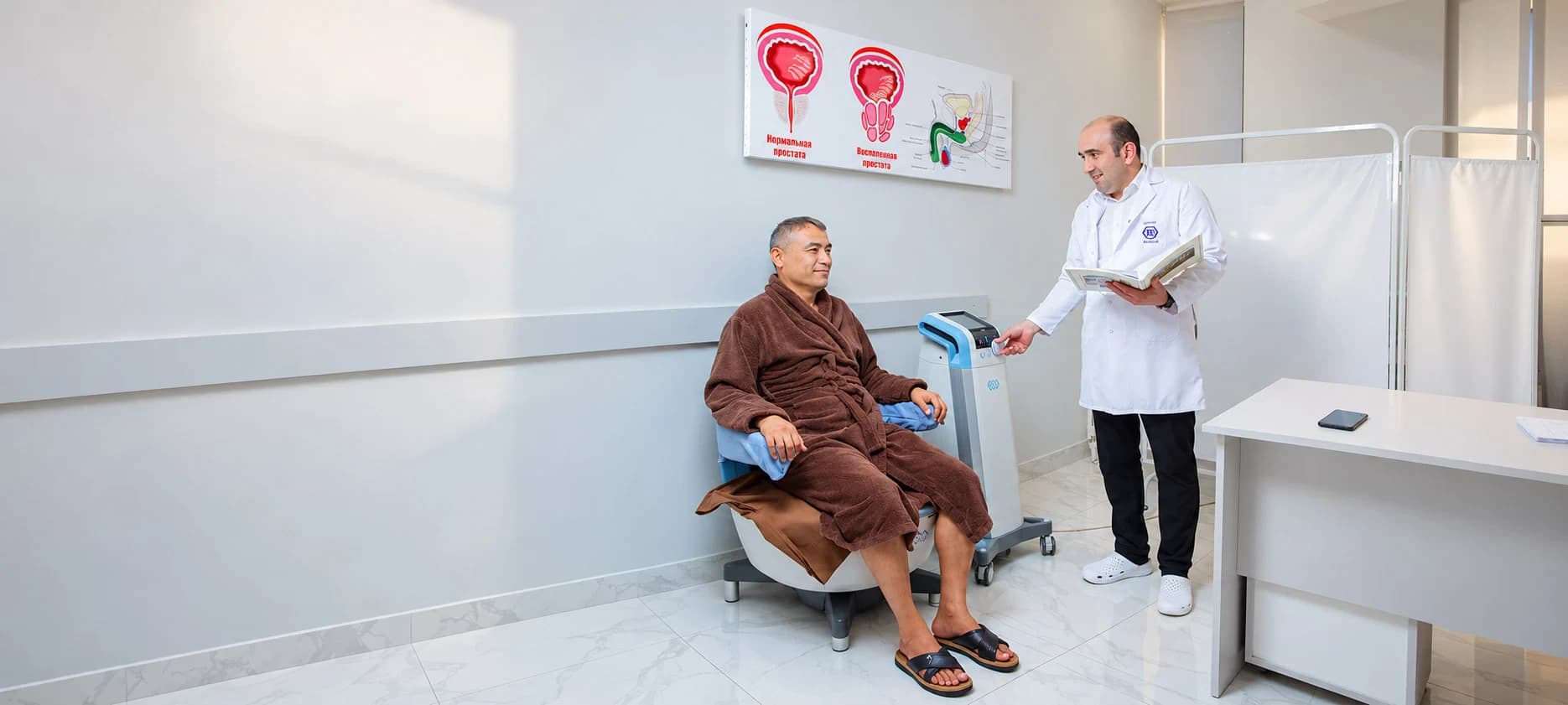
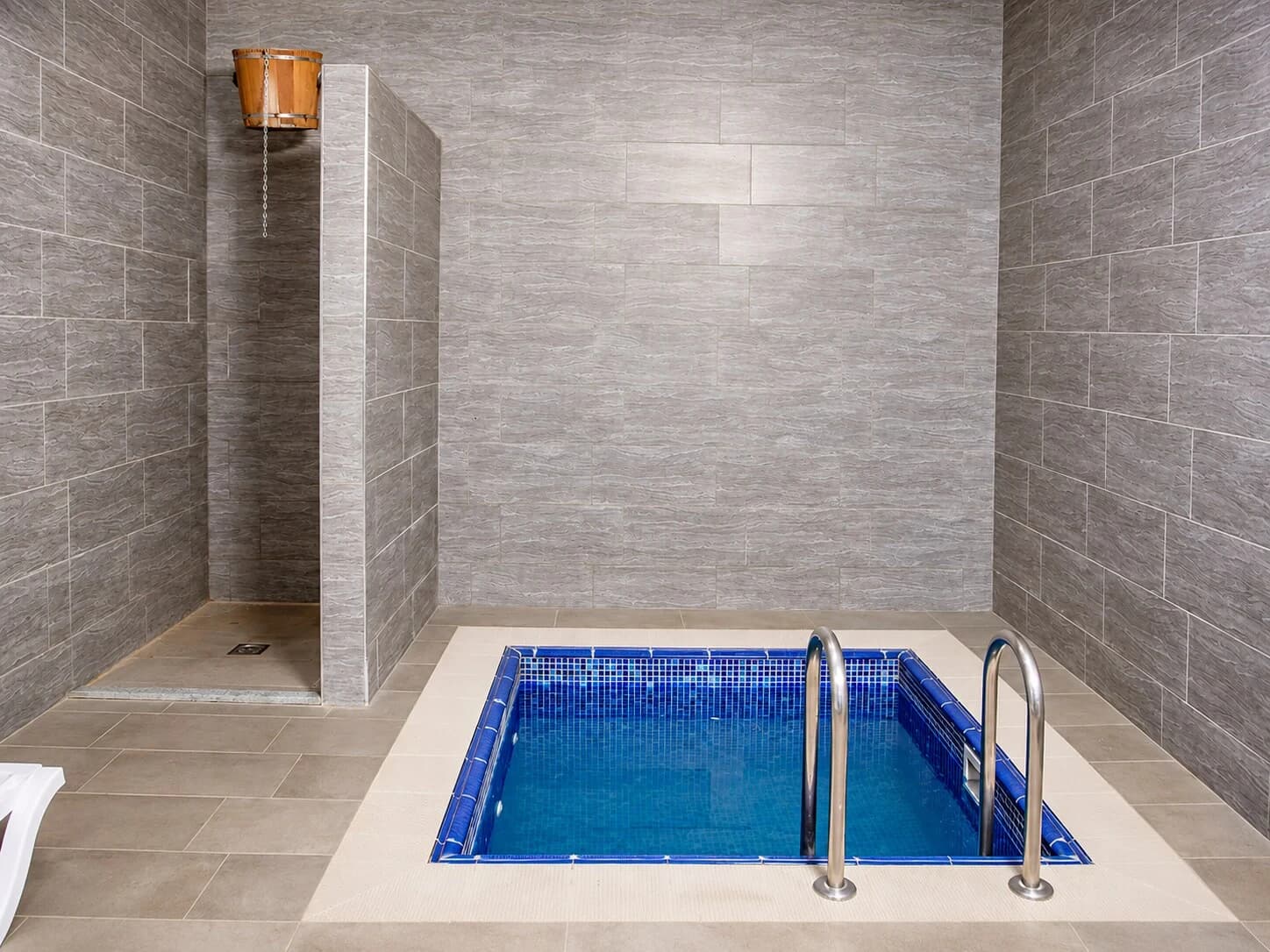
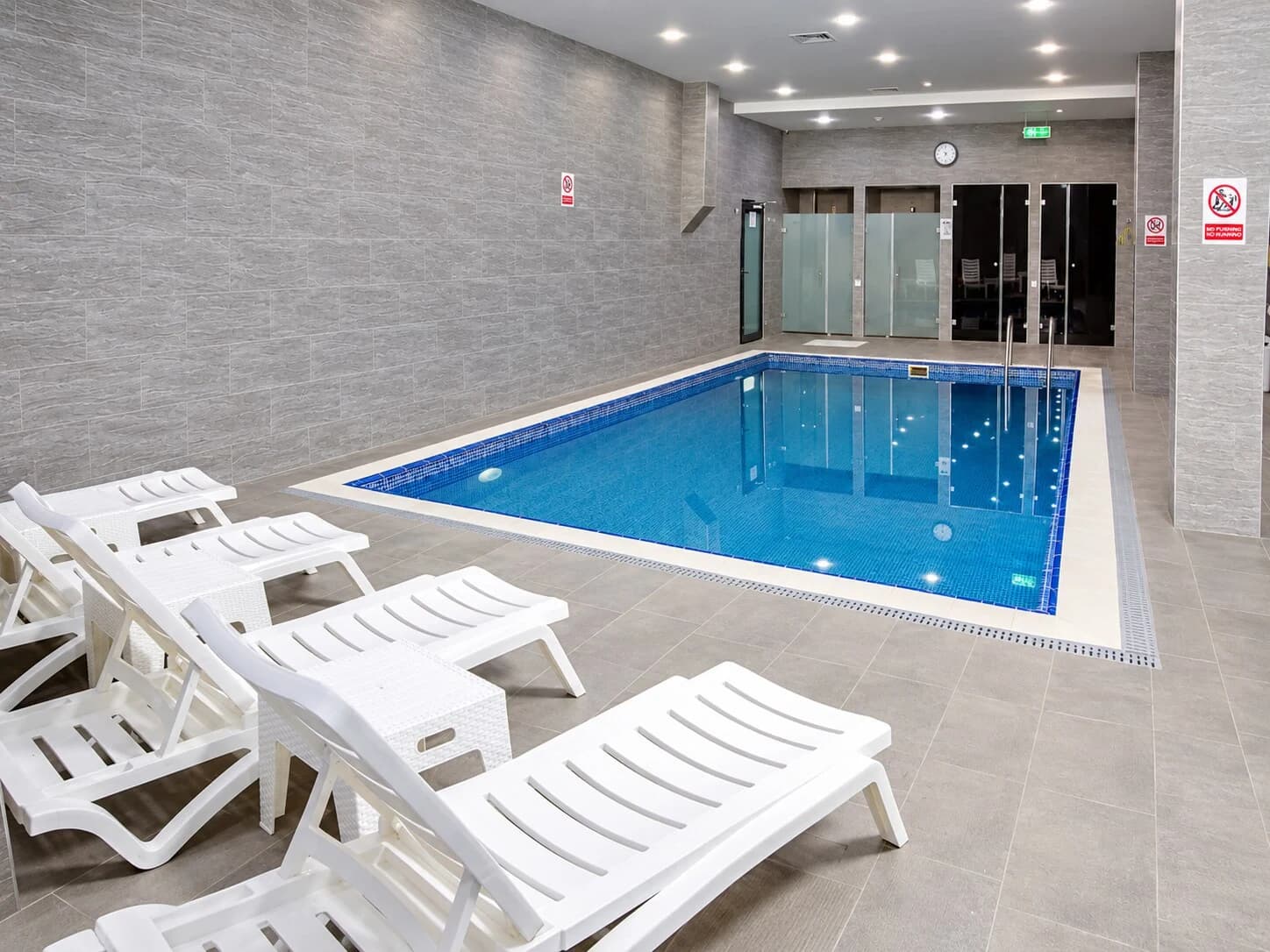
The programme runs in the treatment wing; because the wing shares a building with the hotel, you can return to your room or use the pool between procedures. Where indicated, Emsella — pelvic floor therapy — and other physiotherapy sessions are added to the programme.
When Urological treatment with naftalan is prescribed
- Chronic prostatitis
- Urethritis
- Male infertility
- Erectile dysfunction
- Chronic pelvic pain
Questions and answers