
NaftalanMedical consultationHijama (wet cupping)
Hijama (wet cupping)
An old traditional method using vacuum cups — under a physician's supervision.
Hijama is an old traditional treatment in which vacuum cups are placed on the skin and a small amount of blood is drawn off, to clear toxins and unwanted substances from the body. It helps improve circulation and reduce muscle tension and certain kinds of pain.
How hijama is performed: sterile conditions
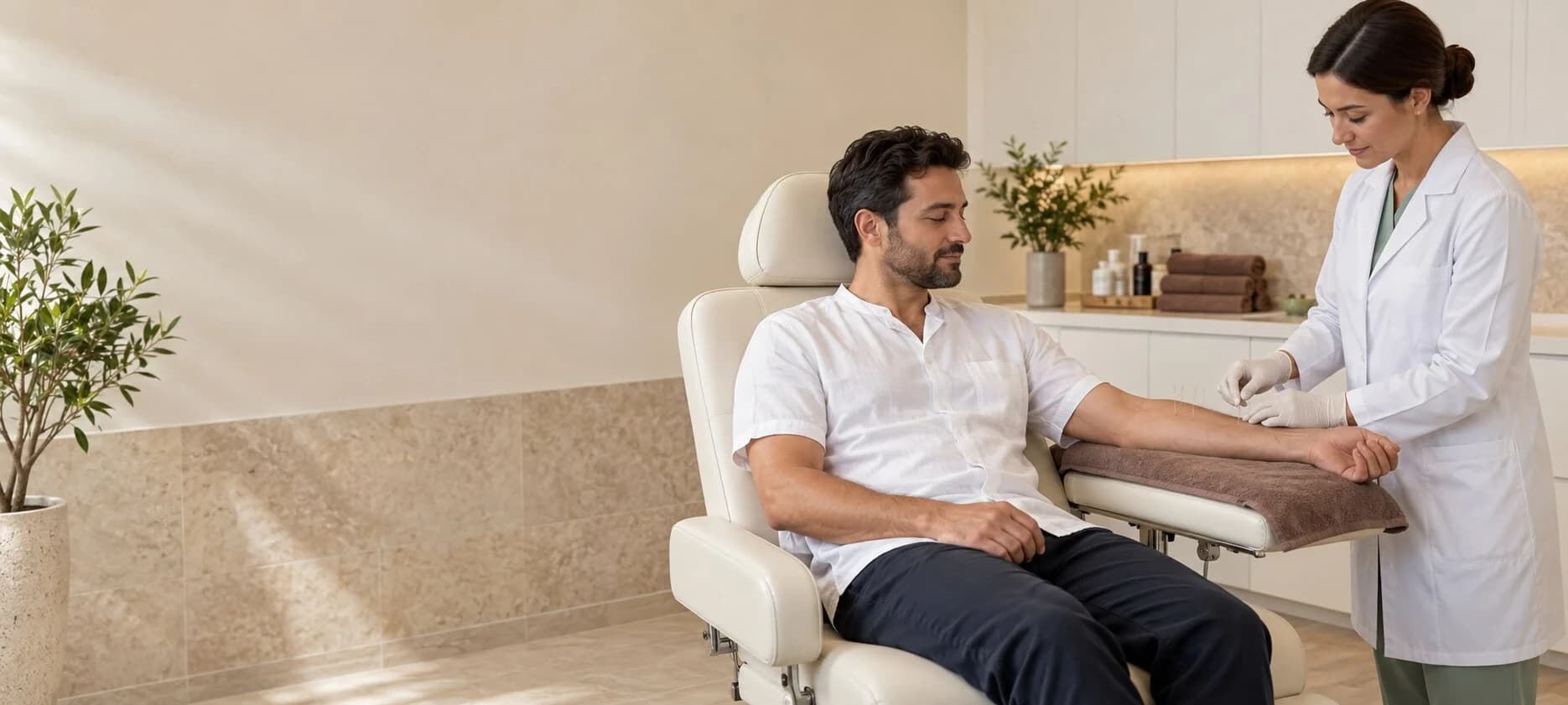
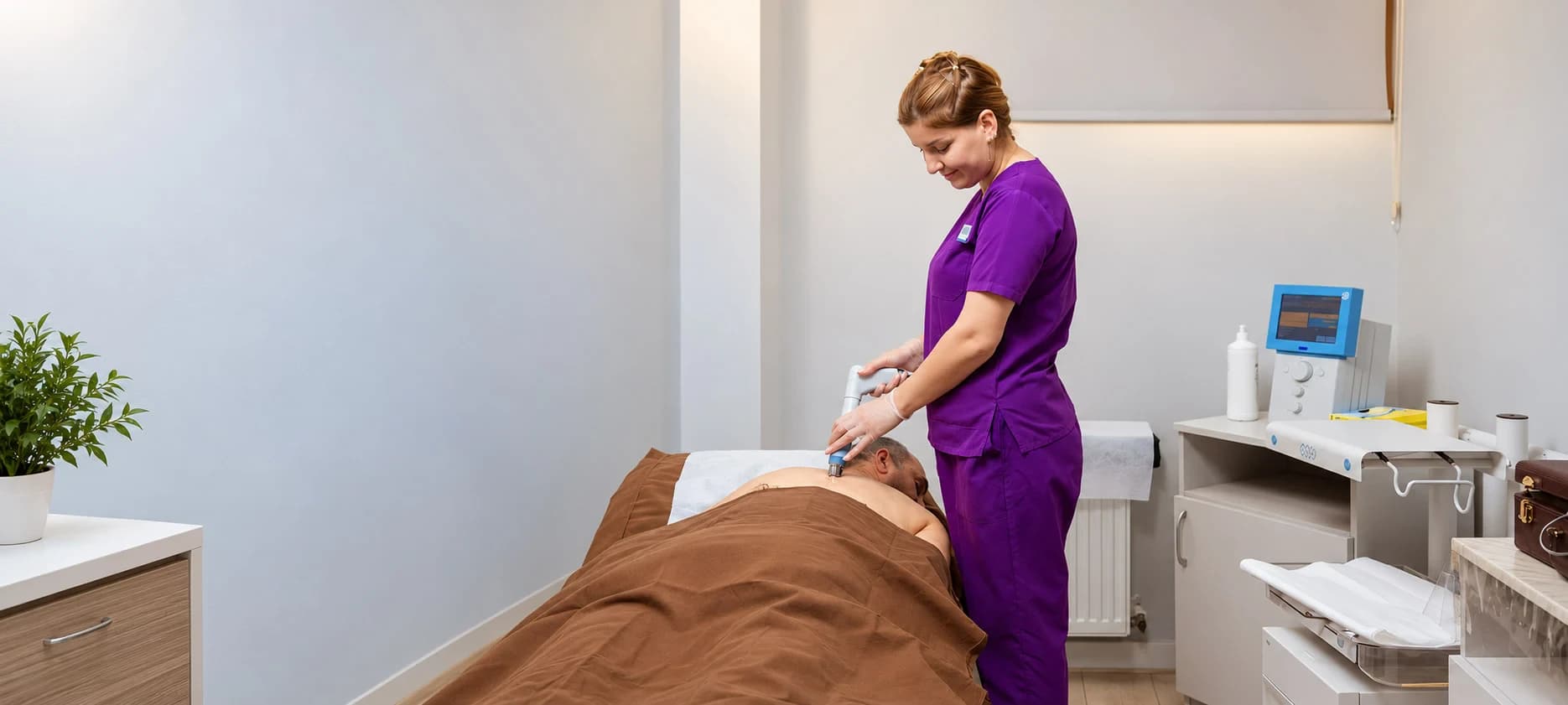
The points to be worked are chosen first and the skin is sterilised. Vacuum cups are placed on those points, removed after a few minutes, very superficial micro-incisions are made in the skin and the cups are placed again — a small amount of blood is drawn off. The area is then cleaned once more and covered. The procedure is carried out in sterile conditions and under the supervision of medical staff.
Which tensions and pains hijama is used for
The negative pressure of the cup increases blood flow to the area and moves the superficial tissue. Most guests describe the effect as tension letting go:
What the vacuum does to the area
- Less tension across the back and between the shoulders
- Relief of pain in the head and nape
- Ease in complaints of the lower back and around the spine
- Tension in the legs and arms passing
- Better circulation in the area
- A general feeling of lightness
Anaemia, pregnancy and other contraindications
Fasting beforehand is not required, though a heavy meal is not advised. Anaemia, bleeding disorders, blood-thinning medication, pregnancy, certain forms of diabetes and skin infection are restrictions — all clarified at the examination on arrival. Hijama is not a naftalan treatment and is not scheduled for the same day as a bath.
Hijama in Naftalan — Sun City Hotel & Spa
Hijama is performed in the treatment wing with single-use sterile equipment. No heat procedures — sauna, phyto-barrel, hot bath — are planned for the rest of that day; most guests spend the hours after the session quietly in their room.
When Hijama (wet cupping) is prescribed
- Tension across the back and between the shoulders
- Pain in the head and nape
- Complaints in the lower back and around the spine
- Pain and tension in the legs and arms
Questions and answers