
Which papers to get ready before you travel, which test results to bring and what actually belongs in the suitcase.
Preparing for a naftalan course is not a long job, but doing a few things in advance makes the first day much easier and gets the procedures started a day sooner.
Medical papers: what to bring
You do not have to arrive with tests in hand — the ones that matter can be taken here in the medical block. But if you have them, bring these:
- a discharge summary or specialist's opinion for any chronic condition;
- test results from the last six months;
- X-ray, MRI or ultrasound images and their reports;
- a list of the medicines you take regularly, with names and doses.
These speed up building the course: the doctor sees at once what still needs checking.
Tests
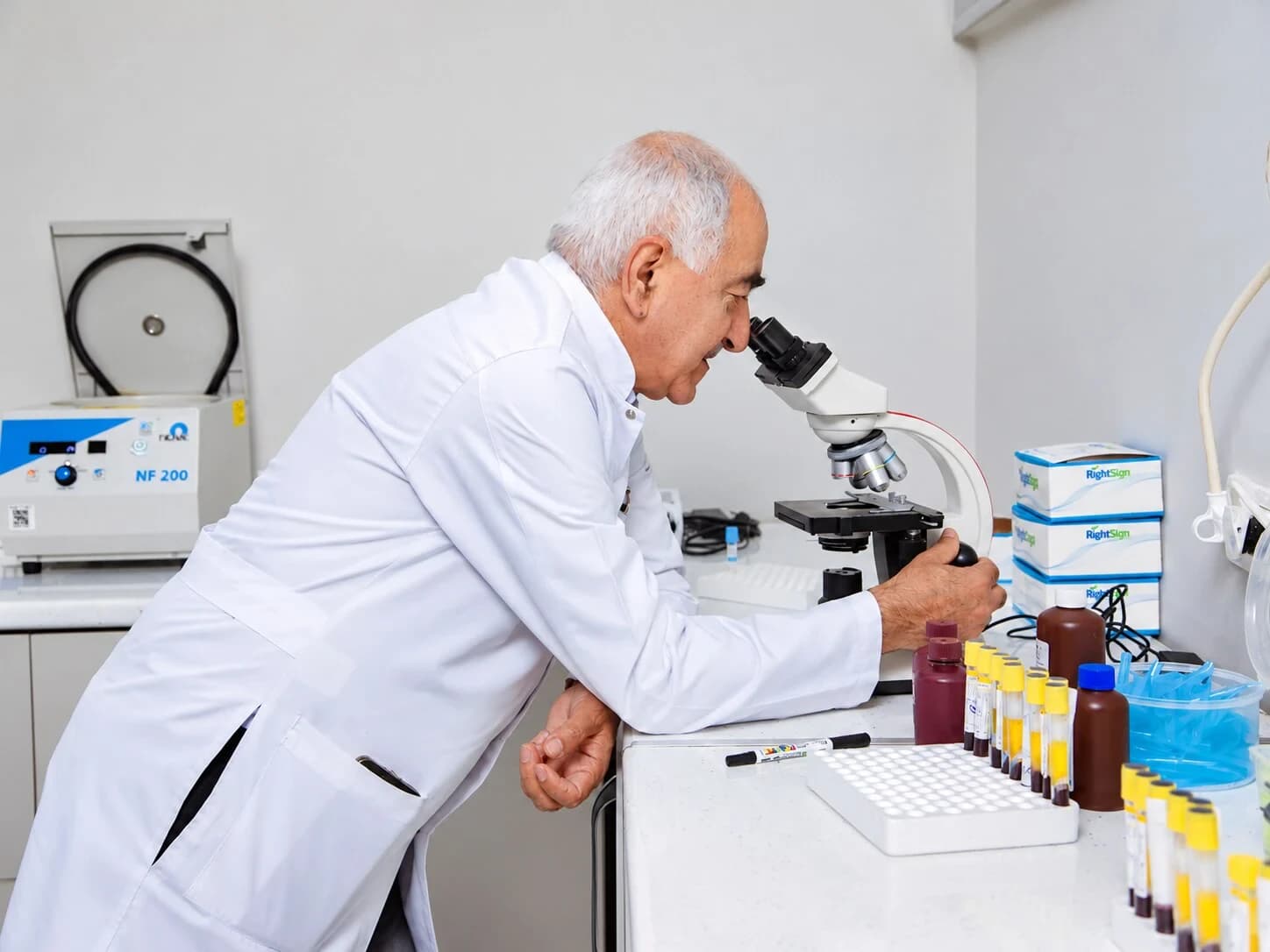
A blood count across 18 parameters and biochemistry are taken at the hotel as part of the first examination. Depending on your complaint, further investigation may be asked for, and the doctor will say so after seeing you. There is no need to hunt for a clinic before you travel.
What belongs in the suitcase
The hotel provides: robe, towels, slippers, pool towels and basic toiletries. Bring with you:
- Old underwear — you go into the bath in it, naftalan oil can mark fabric, and that garment may not be worth keeping afterwards.
- Comfortable clothes and shoes — you walk between your room and the treatment block several times a day.
- Your medication — enough for the whole course.
- Glasses, a book, headphones — there are empty hours between procedures.
- Outerwear for the season: winters are mild, summers dry and hot.
What to wear for the procedures
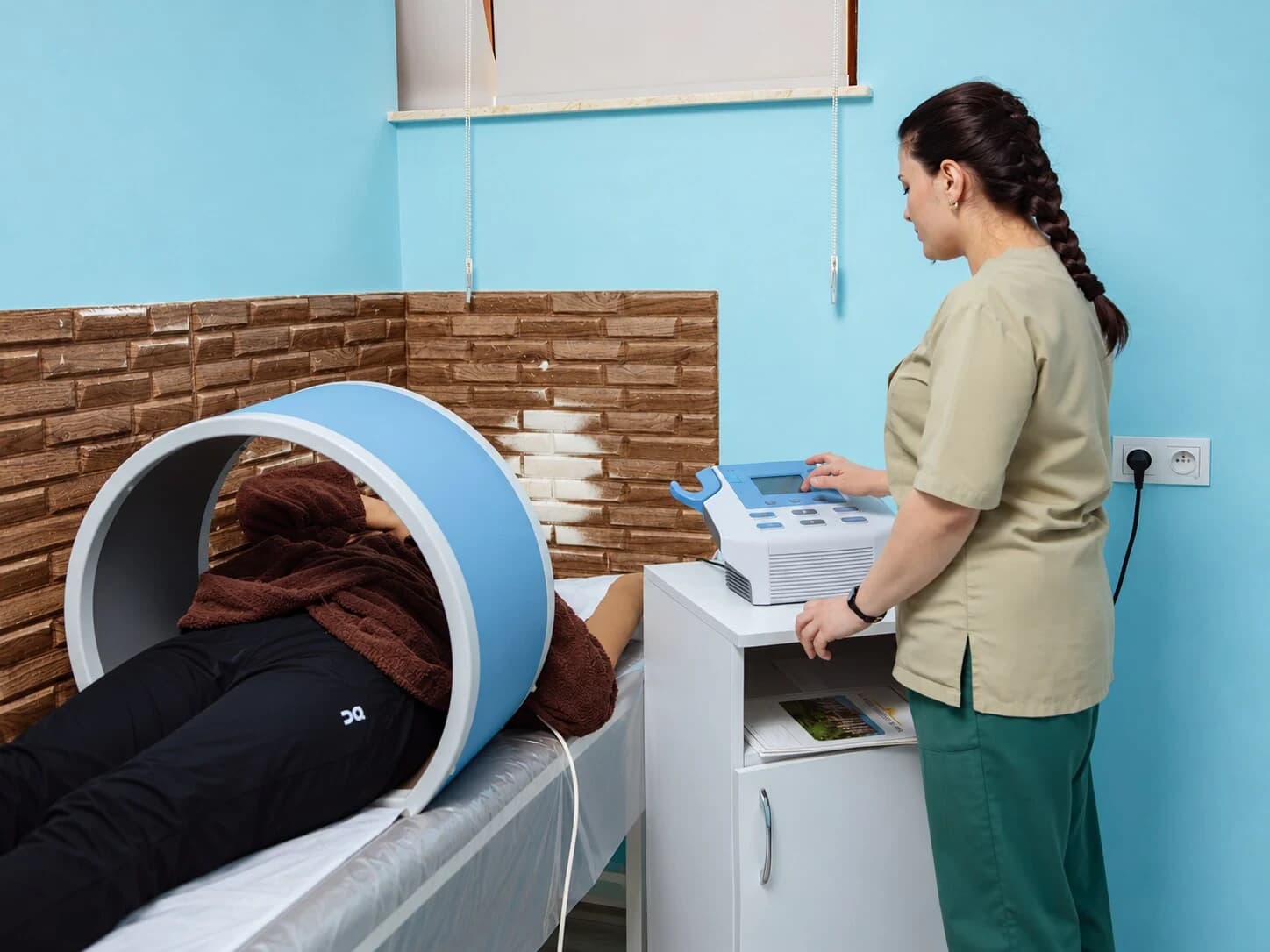
You enter the bath in old underwear; for everything else a robe and slippers are enough. Massage and spa need nothing special. During physiotherapy the area being treated has to be uncovered, so clothes that come off easily are the comfortable choice.
An important note on medication
Show the doctor what you take at the first examination. The dose or the timing may need to be fitted around your treatment schedule. Do not stop anything on your own — that decision belongs to the doctor treating you.
One message before you travel
The single most useful step: send us your complaint and your documents in advance. Our doctors will write back on whether a course suits you and roughly how many days you need — and the dates get much easier to choose.